
Managing Fraud Risks In Digital Payments
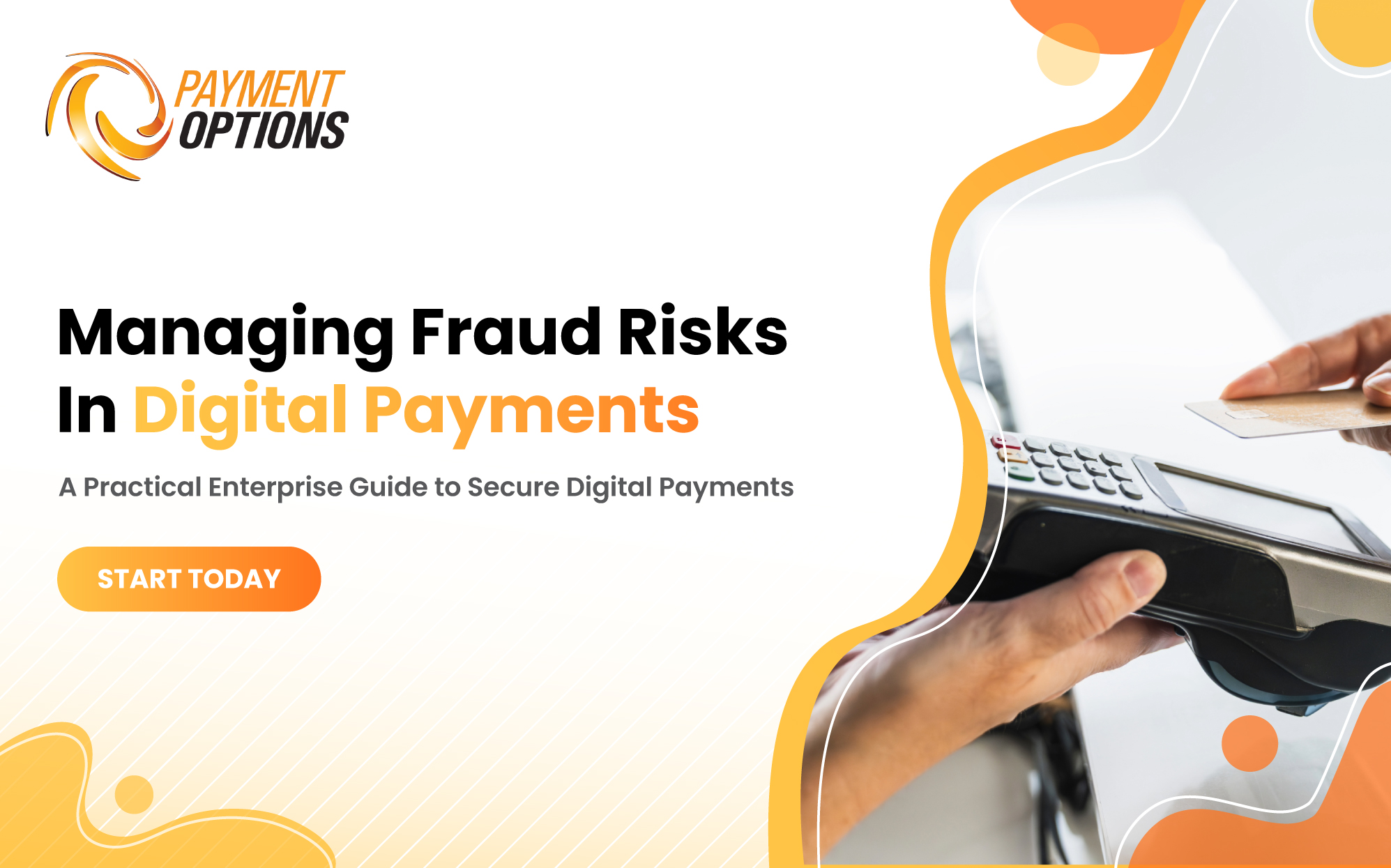
Managing Fraud Risks In Digital Payments
As
In today’s digital economy, fraud prevention must evolve beyond reactive controls into a proactive risk discipline. A proactive approach helps to protect revenue, maintain customer trust and ensure operational stability as businesses continue to scale in a digital-first economy.
1. Governance, Compliance and Enterprise Accountability
For enterprises, effective fraud prevention begins with strong governance. Clear frameworks, defined responsibilities, and consistent oversight help ensure payment risk management is embedded into daily operations, rather than treated as a task.
Industry standards such as PCI DSS (Payment Card Industry Data Security Standard) provide an important foundation by helping enterprises
Fraud management should be a shared responsibility. Close coordination between compliance, risk, audit and operations teams enables enterprises to identify gaps early, respond to threats efficiently and strengthen internal controls.
2. Building Security into Payment Infrastructure
This collaborative approach must be supported by a secure payment infrastructure. As transaction volumes grow and payment ecosystems expand, security needs to be built into the architecture from the outset, rather than added as a later control. Establishing strong foundations early helps enterprises manage risk consistently and operate with greater resilience at scale.
Key measures such as encryption, tokenisation and secure authentication help protect sensitive payment data at scale, reducing exposure even as transactions move quickly across systems. These safeguards ensure that critical information remains protected throughout the payment lifecycle.
Enterprises also operate across multiple payment touchpoints, including online platforms and physical locations. Managing risks consistently across these channels is essential to prevent gaps that fraudsters can exploit.
Standardised, compliant systems further reduce the overall attack surface. By adopting proven frameworks and maintaining consistent security controls, enterprises can strengthen resilience while supporting seamless and secure payment experiences.
3. Transaction Monitoring and Risk Intelligence
As enterprises process high volumes of transactions across multiple channels, real-time monitoring becomes essential to effective fraud management. Continuous visibility allows organisations to detect suspicious activity early and respond before potential risks escalate.
Identifying behavioural anomalies and transaction patterns helps enterprises distinguish between legitimate customer activity and potential fraud. This includes monitoring factors such as transaction frequency, location and value, which indicate emerging risks when patterns deviate from the norm.
At the same time, enterprises must strive for a careful balance between
By leveraging transaction data and risk insights, enterprises can move from reactive responses to proactive decision-making. This data- driven approach supports stronger risk controls, informed policy adjustments and greater operational confidence as payment environments continue to scale.
4. The Role of Strategic Payment Partners
For enterprises, fraud prevention is not managed in isolation. Working with established and compliant
Fraud prevention is most effective when embedded across governance, operations, and technology teams, ensuring accountability and consistency at scale. Strategic payment partners complement internal teams by providing additional layers of monitoring, risk management expertise and continuous support. This collaborative approach allows enterprises to address threats more efficiently and respond to emerging risks with greater confidence.
Access to specialised tools and insights further enhances an organisation’s ability to manage payment risk at scale. By partnering with experienced providers, enterprises can maintain strong security standards while continuing to support growth, innovation and operational efficiency, without compromising on protection.
Strengthening Enterprise Resilience Through Prevention
In an increasingly digital payments landscape, fraud prevention should be viewed as a long-term strategic investment rather than a short-term reactive measure. Enterprises that prioritise strong governance, secure infrastructure and risk management are better positioned to protect revenue and maintain customer trust.
By adopting a structured approach when working with the right partners, organisations can build resilience, support operational stability and scale confidently in a digital-first economy. In increasingly interconnected payment ecosystems, resilience and trust are not optional – they are foundational to sustainable growth.
To learn more about strengthening payment security and safeguarding your business against evolving risks,
*Currently available in Japan and Hong Kong.